
Can a Basement Rental Help You Afford Your Mortgage?
Last updated:
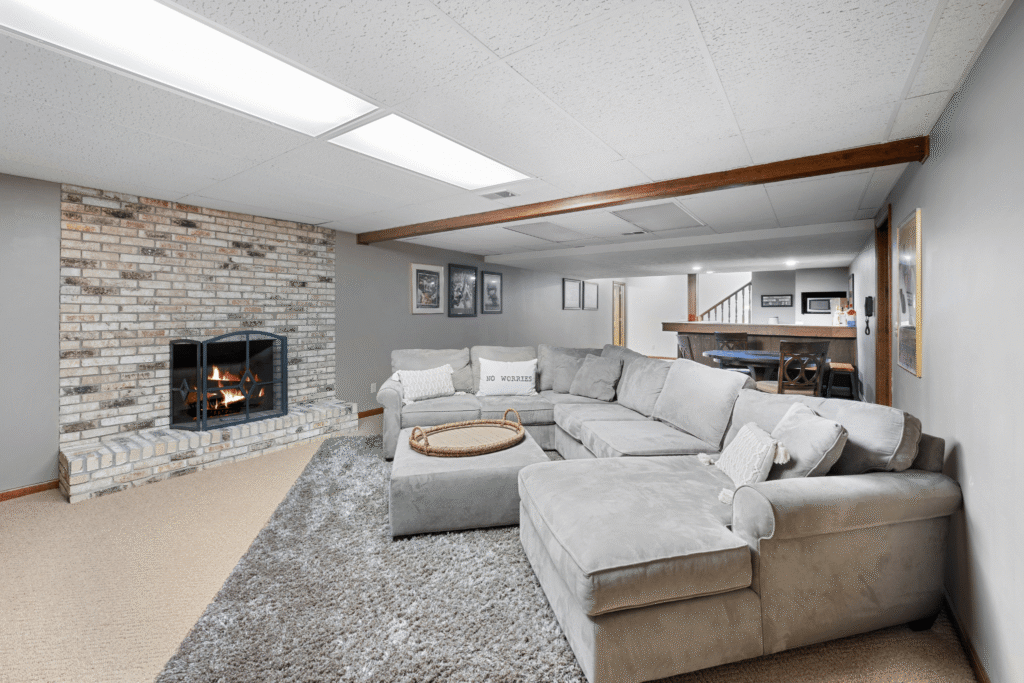
Turning your basement into a rental unit can be a useful way to bring in extra income, but it is not just about adding a bedroom and finding a tenant. Most homeowners need to consider renovation costs, follow local rules, meet safety requirements, and understand their responsibilities as landlords under Ontario’s Residential Tenancies Act, including maintenance obligations, rent rules, and tenant rights. If you have a clear understanding of what is involved before you begin, you can better judge whether a basement rental is truly a worthwhile investment.
Why Basement Rentals Are Becoming More Popular With Homeowners
Homeowners want practical ways to manage the high cost of living. The solution? Convert a basement into a rental property. Creating a new unit lets homeowners turn a space that might have been used only for storage into an income earner.
The 2026 housing market is rough, and renters are searching for affordable housing in Toronto neighbourhoods. These basement units can provide cheaper access to stores and schools than apartments.
Can Basement Rental Income Help Cover Your Mortgage?
Rental income can take a bit of the edge off your monthly mortgage payments, but it really shouldn’t be treated as a full-on fix. How much it helps depends on the local market rent, the size and current condition of the rental, which utilities are bundled vs. paid separately, how long you think vacancy might drag on, and everyday costs. Planning with realistic rental numbers is key.
Also, set money aside for months when the unit is empty and for bigger repair bills that usually show up later. That way, your mortgage payments aren’t riding on every month of rental income like it is guaranteed. Besides easing monthly expenses, rental income can also help you qualify for a mortgage. For eligible owner-occupied homes, CMHC has a few ways to figure rental income, including the option to count up to 100 percent of gross rental income in certain two-unit property scenarios.
Renovating the Basement Into a Livable Rental Unit
A legal secondary suite must be self-contained, with its own kitchen, bathroom, sleeping area, and a separate entrance. It also needs adequate heating, ventilation, plumbing, and electrical systems that meet applicable building and safety requirements. Many basements are unfinished, so creating a legal rental unit often requires significant renovations before it is ready to be occupied.
Check for water leaks, foundation cracks, mould, and drainage problems. Covering up moisture problems with a new floor or drywall can become an expensive problem later. Toronto also offers subsidies to qualifying owners for specific flood-protection work, such as backwater valves and sump pumps, and the maximum subsidy is expected to increase to $6,650 per property in 2026.
What a Toronto Basement Rental Needs to Be Legal
In Toronto, homeowners may be able to add at least one secondary suite, and up to four units may be permitted under Toronto’s multiplex rules, depending on the property and zoning requirements. A secondary suite is generally an additional self-contained living space within a detached house, semi-detached house, or townhouse, while a multiplex refers to a residential building with two, three, or four units. Before anything is built, homeowners should confirm the zoning rules, prepare proper building plans, and obtain the required permits. Once completed, the unit must comply with the Ontario Building Code, Toronto zoning rules, fire-safety requirements, and property standards. Toronto’s multiplex rules permit four-unit multiplexes city-wide, while secondary suites remain subject to their own performance standards.
Before you start any work, homeowners should really speak with the Toronto Building, the City’s permit division, and a few qualified professionals to ensure you’re meeting all applicable regulations. Contractors and licensed trades should obtain the appropriate permits and schedule the inspections. Otherwise, unapproved or uninspected work can leave you with a basement or unit that’s unsafe, or that does not comply with the legal requirements.
The Benefits of Creating a Basement Rental Space
The main advantage is recurring income, which can lower the homeowner’s effective monthly housing cost. A legal, well-thought-out unit might make the home more attractive to future buyers who prefer rental income or flexible multigenerational living space.
A conversion also helps make better use of the existing home. Instead of buying another investment property, the owner turns part of the current property into income-producing space. Over time, the rent may help soften higher renewal costs, or contribute to savings for repairs and other personal goals.
The Costs Homeowners Should Prepare For
The basement’s current condition can change the costs. It must be structurally sound and livable. Homeowners should be prepared to spend money on demolition and waterproofing, upgrading the heating and ventilation, and more.
Homeowners should also be prepared for legal paperwork and contingency-type expenses. Low ceilings, old wiring, asbestos, and insufficient drainage can make the budget increase rapidly. A contingency reserve is important, as basement work can uncover problems at the worst time.
Using a Second Mortgage to Pay for Basement Renovations
A second mortgage can finance a home renovation without changing an existing mortgage agreement. Instead of swapping out the original loan, homeowners usually borrow against the equity they’ve built up in the property. This path can appeal to people who want to keep their current mortgage terms, and in many cases, the money comes through as one lump sum, not a trickle.
For approval, lenders consider several factors, such as the home’s market value, the combined loan-to-value ratio, the applicant’s income, and the borrower’s creditworthiness. The interest rates and related borrowing costs are often higher than what you’d see with a first mortgage, so budgeting carefully really matters. Homeowners should also plan to pay the new loan during the renovation period, even if the secondary suite isn’t generating rental income yet.
Where Private Lending Can Fit In
Private lending can be a better fit when the homeowner can’t qualify quickly with a bank because of credit concerns, self-employment, or irregular income. In many cases, private lenders focus more on the property, the equity, and the exit strategy than on a bank-style checklist.
The owner should clearly understand how the loan will be repaid, not just the monthly payment. For example, refinancing after the legal unit is finished and rented, selling the property, or using another confirmed source of funds. It also helps keep projected rent conservative.
Legal basements can be an excellent tool for making Toronto mortgages more manageable. The best projects have realistic rent and affordable financing throughout construction. A second mortgage or private mortgage can also help you tap into the equity you need. But it should support a carefully planned renovation, not swap solid budgeting for borrowed time.
Flexible mortgage solutions for complex situations.
Speak with a mortgage specialist about private lending, refinancing, debt consolidation, or urgent property-sale options.
- A specialist reviews your situation directly.
- You get practical options for the next step.
- No obligation and no hard credit pull from this form.
Request a mortgage review
Share the best way to reach you and a specialist will follow up directly.
Private, no obligation, and handled by the Mortgage Broker Store team.